
Madagascar Wildlife tour
Guide: Nick Buys
Below is a short trip report on a recent Madagascar Wildlife Tour. We had no specific targets in mind, and the idea was to explore a variety of habitats and enjoy whatever wildlife we came across. We had four main areas that we planned to visit: Berenty Reserve in the southeast, with its dancing lemurs and Spiny Forest; Kirindy Dry Forest; the Tsingy limestone rock formations; and the rainforests of the Andasibe area.
After meeting the group and enjoying a great dinner at our comfortable hotel in Tana, we headed to the airport for our flight to Fort Dauphin. We had our first great sighting on the apron while walking to the plane, with two Sooty Falcons flying overhead and perching on one of the towers.
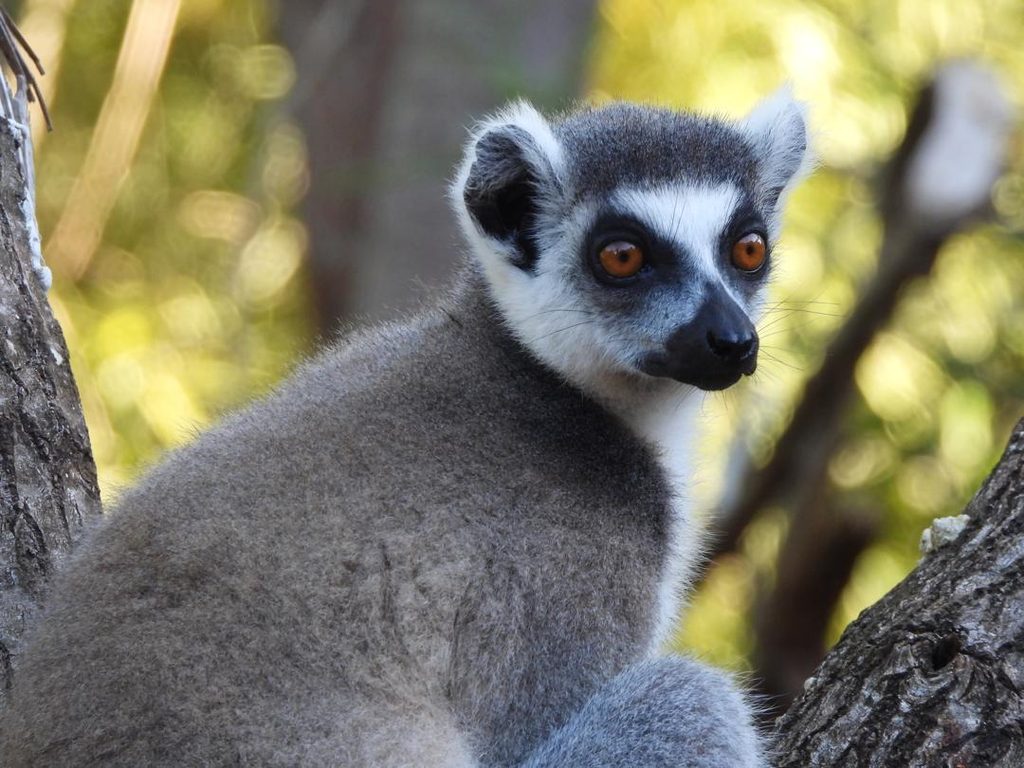
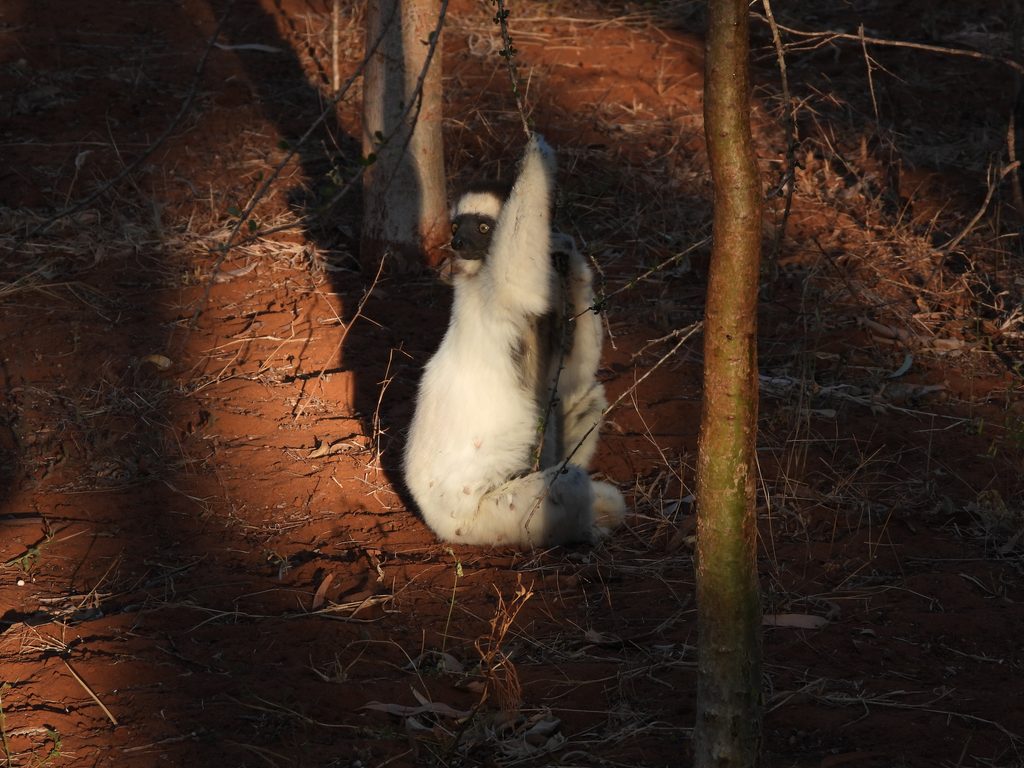
We arrived in the middle of the afternoon and didn’t waste any time before going for our first walk. Berenty is a small reserve but is packed full of incredible wildlife. It is famous for its “dancing lemurs”, and it didn’t take long for us to get a good view of this behaviour.
Verreaux’s Sifakas have adapted to run on their hind limbs to get from one tree to the next when there is not sufficient canopy, as is often the case in the gallery forest here at Berenty. Besides the Verreaux’s Sifakas, both Ring-tailed Lemurs and Rufous-fronted Brown Lemurs are very relaxed here, offering a great opportunity to watch all three species without much walking.


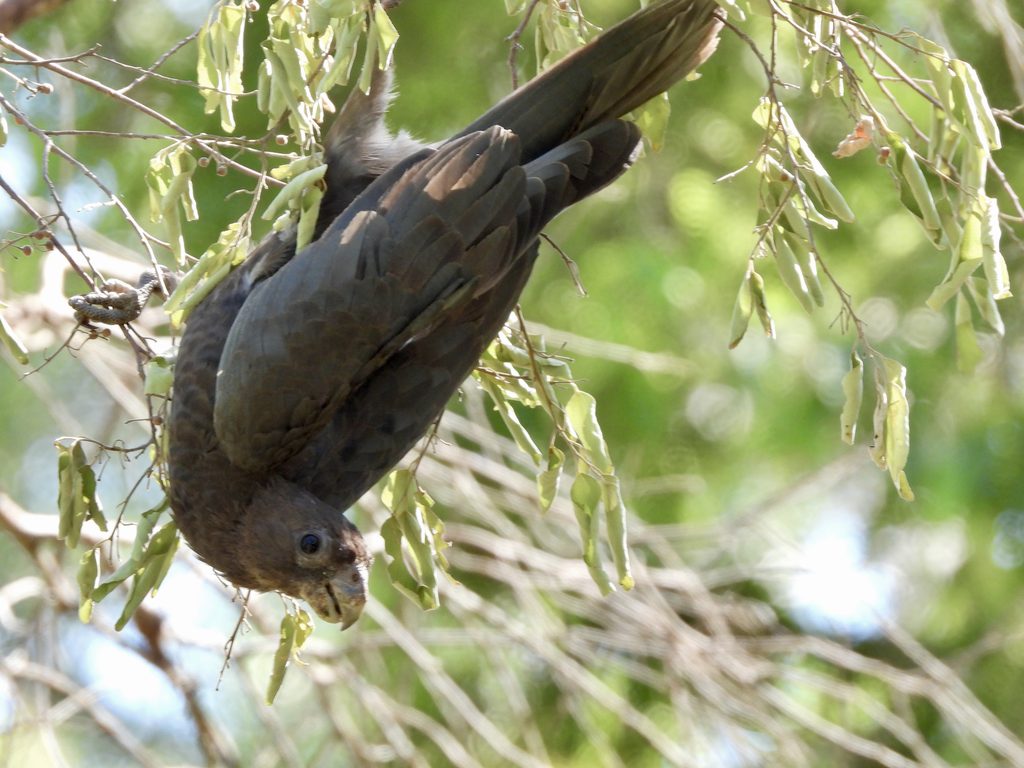
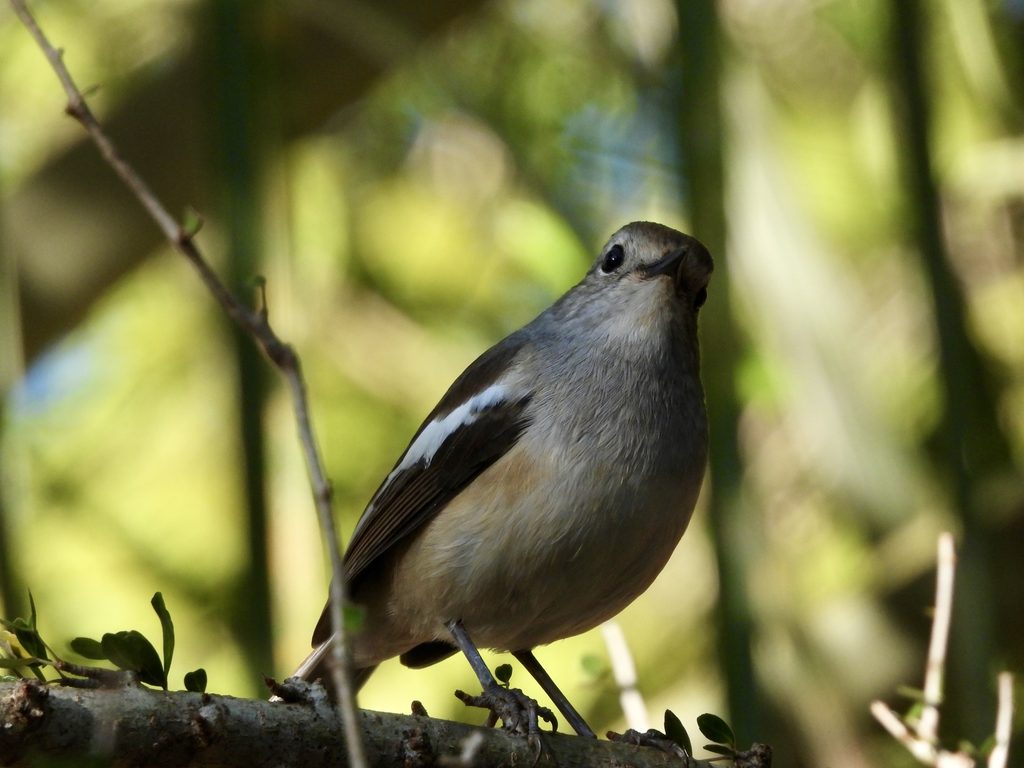
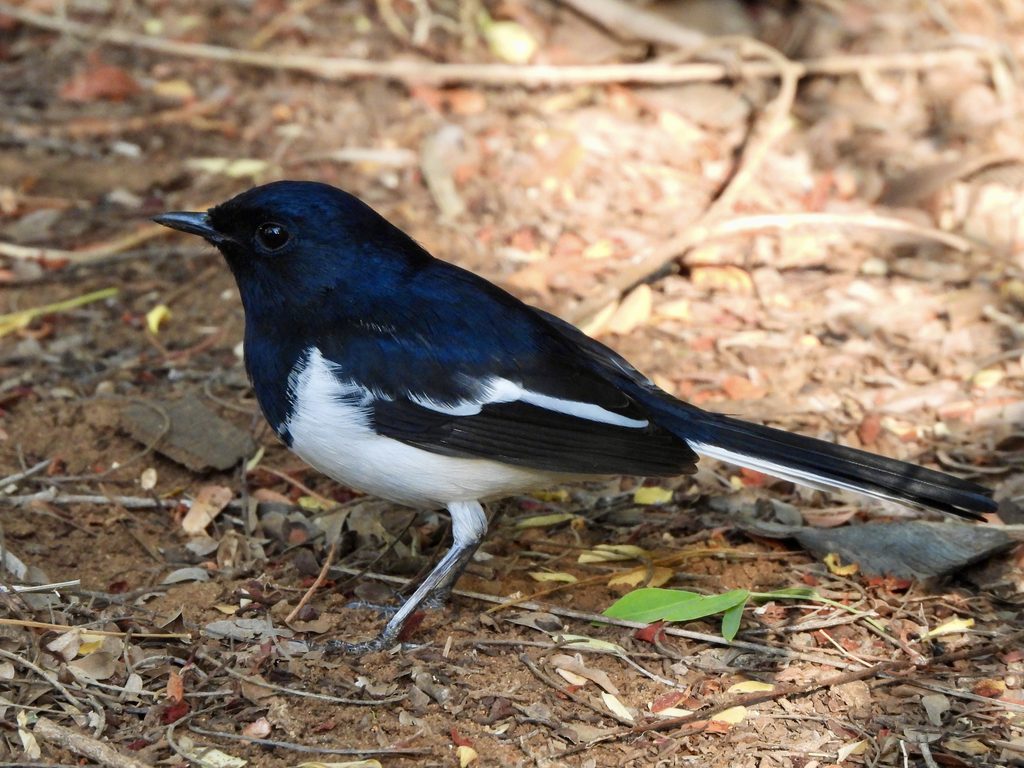
From a birding point of view, both Giant and Crested Couas are common and pretty easy to see. Other general birds, including mostly endemics seen well, included France’s Sparrowhawk, Malagasy Kestrel, Crested Drongo, Common Jery, Malagasy White-eye, Madagascar Hoopoe, Lesser Vasa Parrot, Common Newtonia, Chabert Vanga, Olive Bee-eater, Grey-headed Lovebird, Malagasy Paradise-Flycatcher, Malagasy Bulbul, Madagascar Magpie-Robin, Sakalava Weaver and Red Fody.
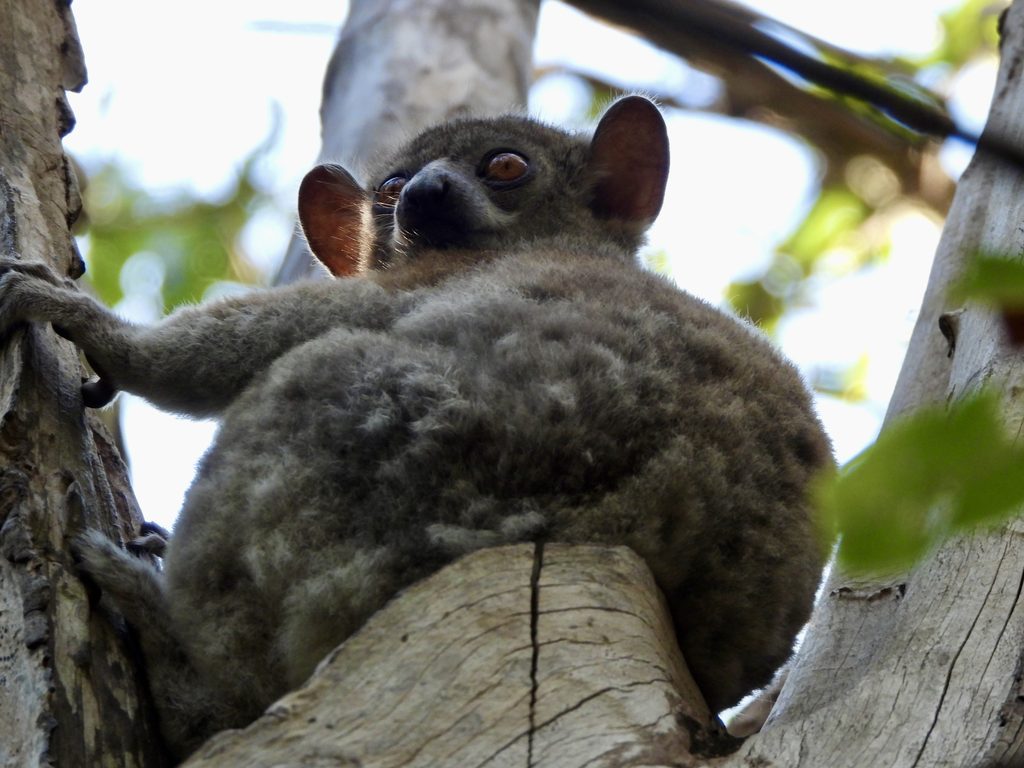
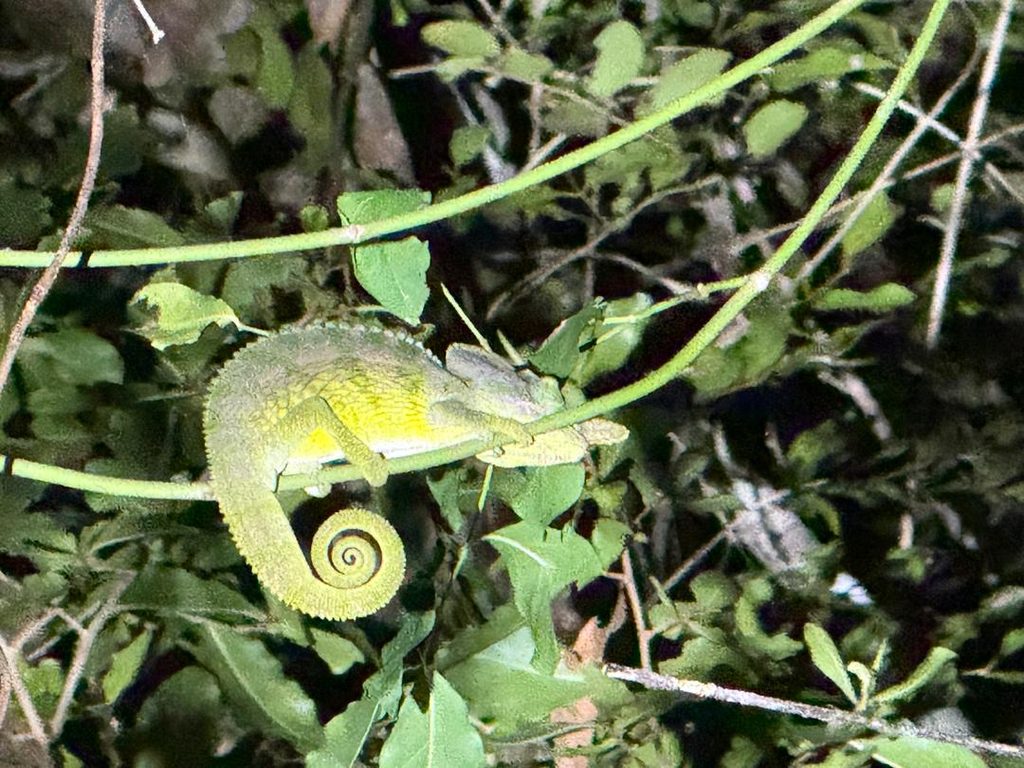
We did several night walks with incredible sightings, including White-footed Sportive Lemur, Grey and Grey-brown Mouse Lemurs, Small Indian Civet, Madagascar (Torotoroka) Scops-Owl, White-browed Owl, Madagascar Nightjar, Jewelled and Warty Chameleons, Malagasy Flying Fox and Madagascar Straw-coloured Fruit Bat.
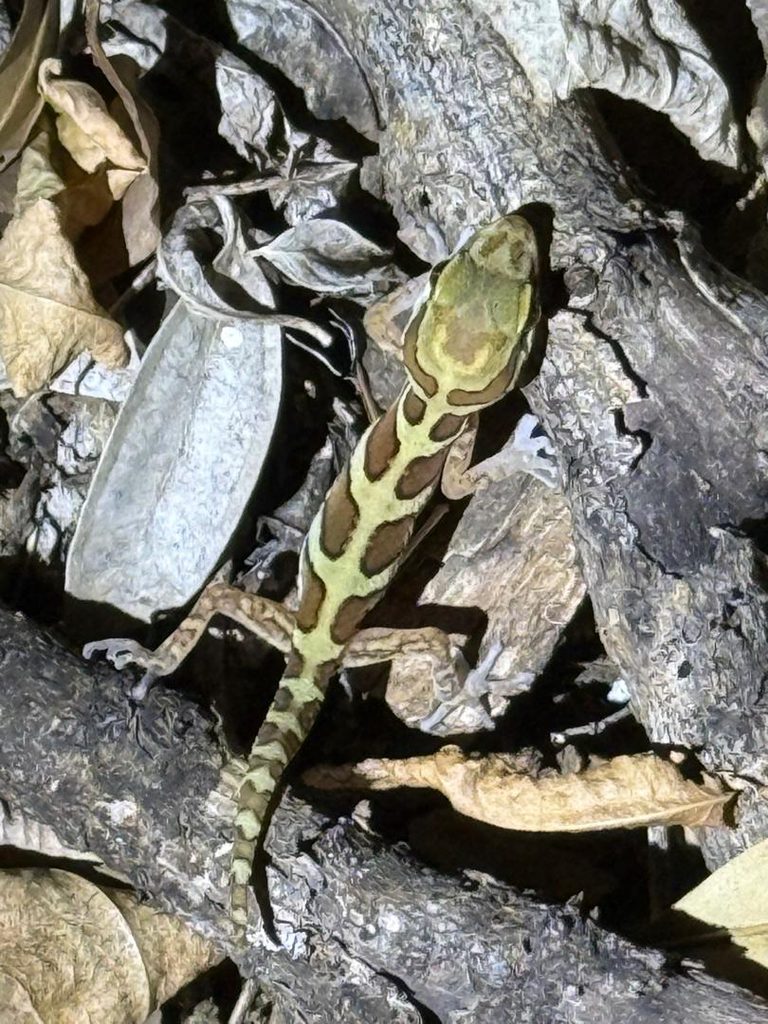
As with all protected areas in Madagascar, there is a massive diversity of incredible wildlife uniquely adapted to survive and thrive on the island. Some of the other interesting sightings included Hissing Cockroach, Madagascar Ground Boa, Southern Spider Tortoise, Za Baobab, Bottle Tree, Octopus Tree, Two-horned Bark Spider, Bernier’s Striped Snake and many geckos and skinks.
On the way back to Fort Dauphin, we stopped to look at the endemic Triangle Palm, with a National Park created to protect this species.
We had another very comfortable night in Tana before our flight to Morondava and Kirindy Reserve. It was time for a very short and quick tour to western Madagascar. The main aim was to visit Kirindy Reserve, the Tsingy rock formations and, of course, the famous Avenue of the Baobabs, while seeing a few key species. The clients had been here before, hence the short whirlwind visit.
We arrived for our one evening in Kirindy and departed for an afternoon and evening walk straight away. The Fossa that often hangs around camp in the dry season looking for food was not around this time of year, so this is definitely something to think about when planning a visit if this species is high on your target list.


Our main target was the Giant Jumping Rat, and we dedicated most of our evening walk to getting a good view. We ended up with many quick but rewarding sightings. Madame Berthe’s Mouse Lemur is the other top species that Kirindy is famous for, but since the group had seen this species before, we prioritised the Giant Jumping Rat.
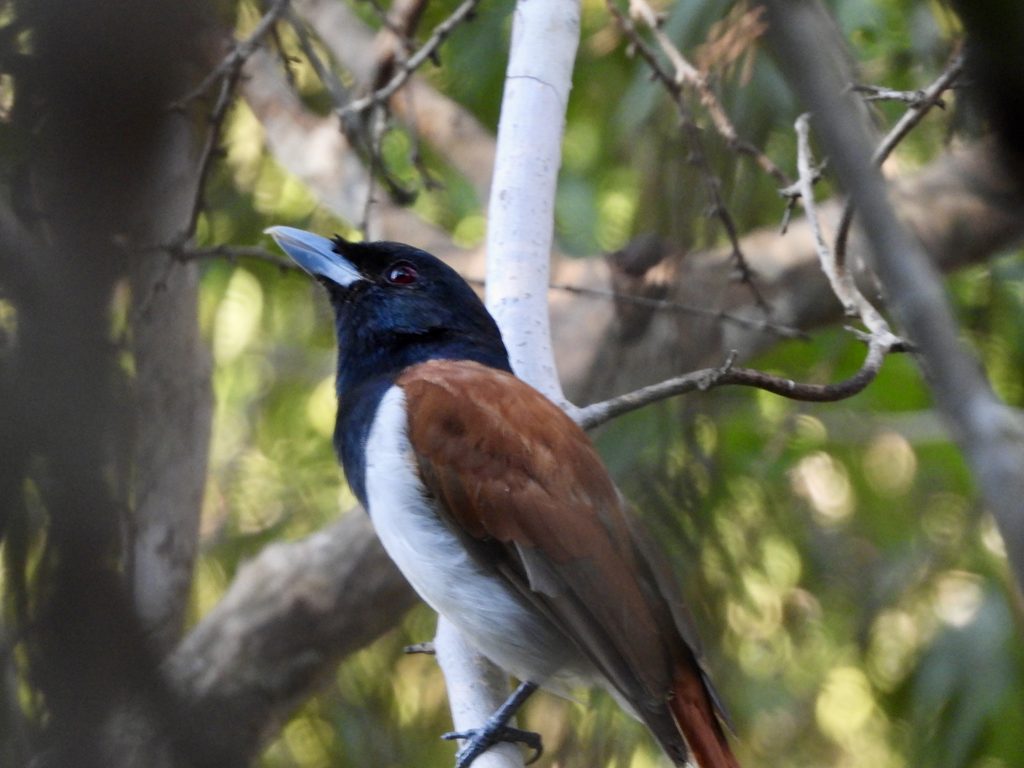
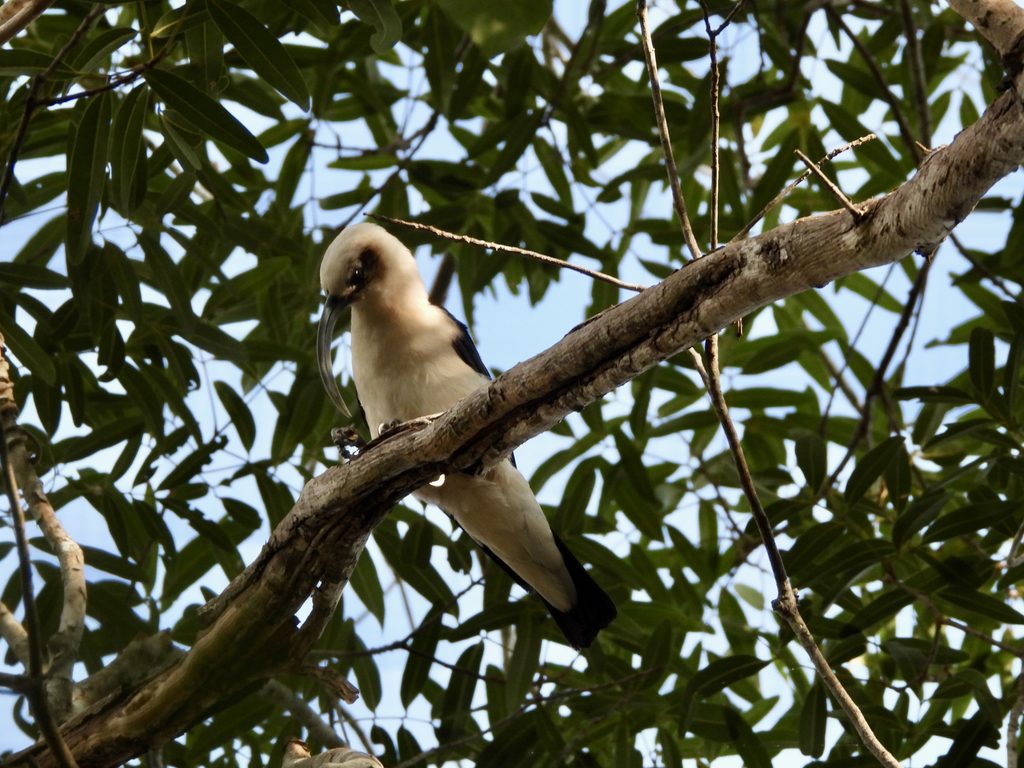
This is a very tough species to see, and Kirindy is a great place to find them, with some guides specialising in locating them. Other really good wildlife seen on the two walks and during a quick visit the following morning included Grey Mouse Lemur, Red-tailed Sportive Lemur, Red-fronted Brown Lemur, Narrow-striped Boky, Milne-Edwards’s Tufted-tail Rat, Giant Hog-nosed Snake, Madagascar Nightjar, Coquerel’s Coua, White-breasted Mesite, Madagascar Buzzard, Sickle-billed Vanga, Hook-billed Vanga, Rufous Vanga, Koch’s Giant Day Gecko, Oustalet’s Chameleon and Laborde’s Chameleon.
We had a long drive to get to Tsingy, and it was a real adventure with the late rain and two ferry crossings. However, we arrived in one piece and, after a good night’s rest, we were on the canoes and heading through the beautiful valley to Little Tsingy.
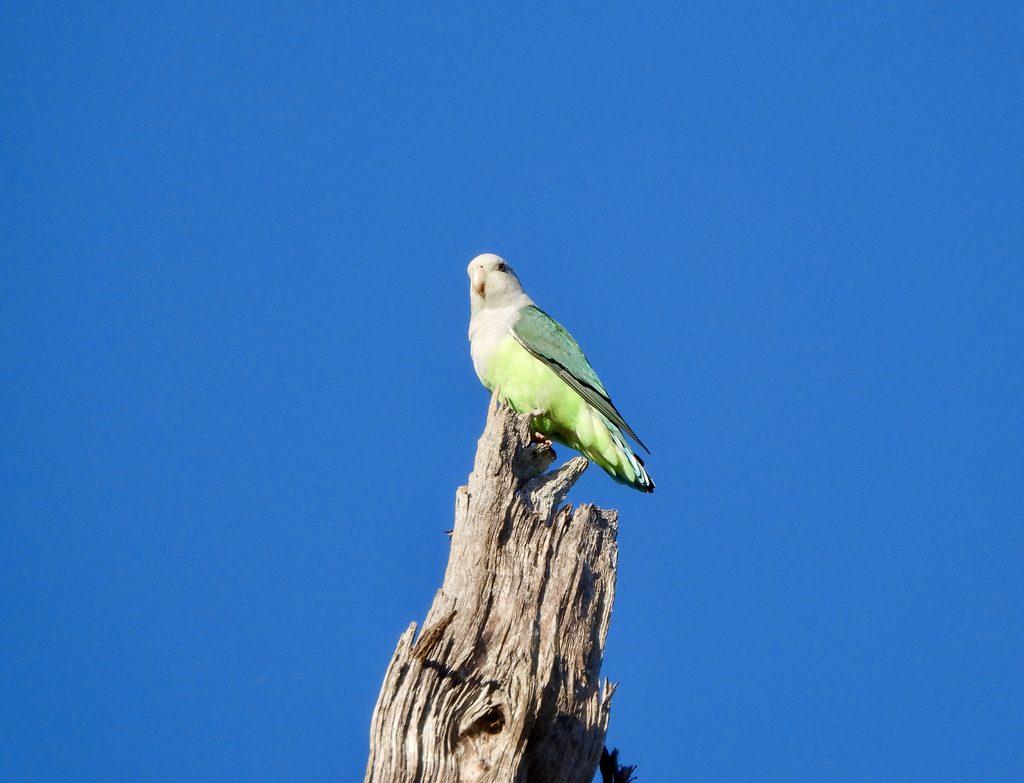
We had a great morning exploring and climbing over and around this fascinating landscape. Time did not allow us to really search for wildlife, but we heard Tsingy Forest Rail pretty close by. We also saw Lamberton’s Forest Rat, Madagascar Fish-Eagle, Barn Owl, Sooty Falcon, Cuckoo-roller, Mascarene Martin, Souimanga Sunbird, Lesser Vasa Parrot, Madagascar Buttonquail, Madagascar Sandgrouse, Madagascar Lark, Madagascar Cisticola, Malagasy Kingfisher, Olive Bee-eater and White-faced Whistling-Duck.

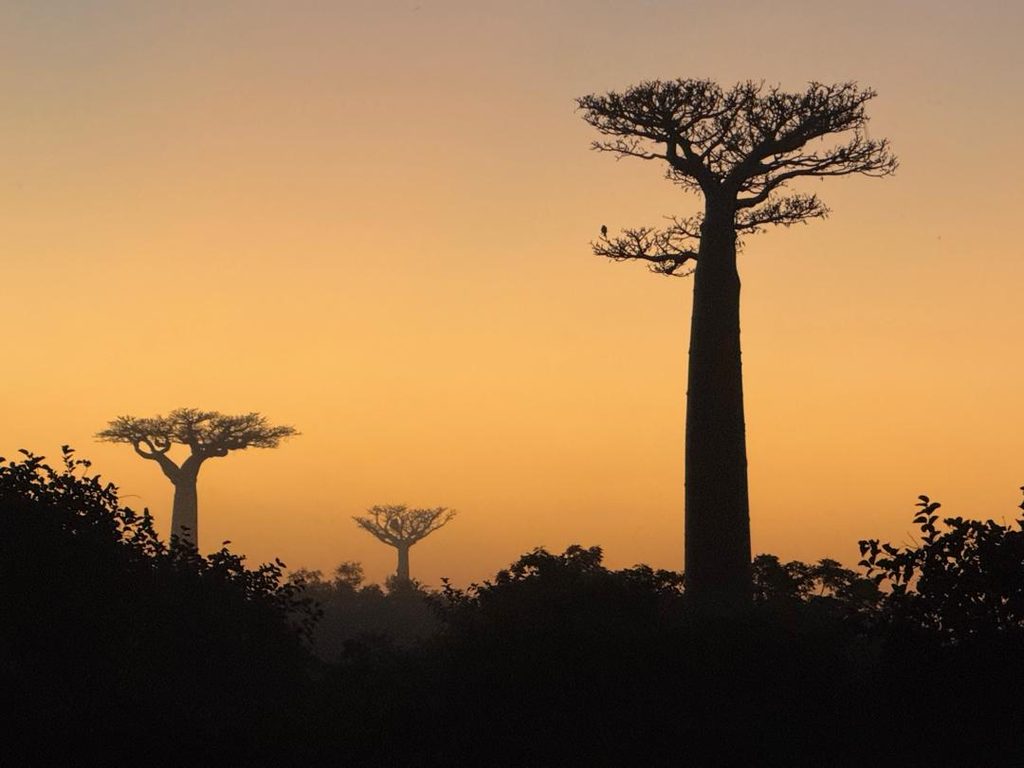
It was a long drive back to Morondava and, after arriving at a nice hotel for a short night, we were up before dawn and in place for first light to enjoy the Avenue of the Baobabs. And it did not disappoint. What an incredible sight, and one that should be part of every Madagascar itinerary.
From here, we boarded our flight back to Tana and set off to the eastern rainforests for the last leg of our Madagascar adventure.
We avoided spending too much time in the notorious Tana traffic and any incidents on the narrow roads, and arrived in Andasibe, which was our base for the next few days. We explored the VOI Reserve as well as the Analamazaotra Reserve.
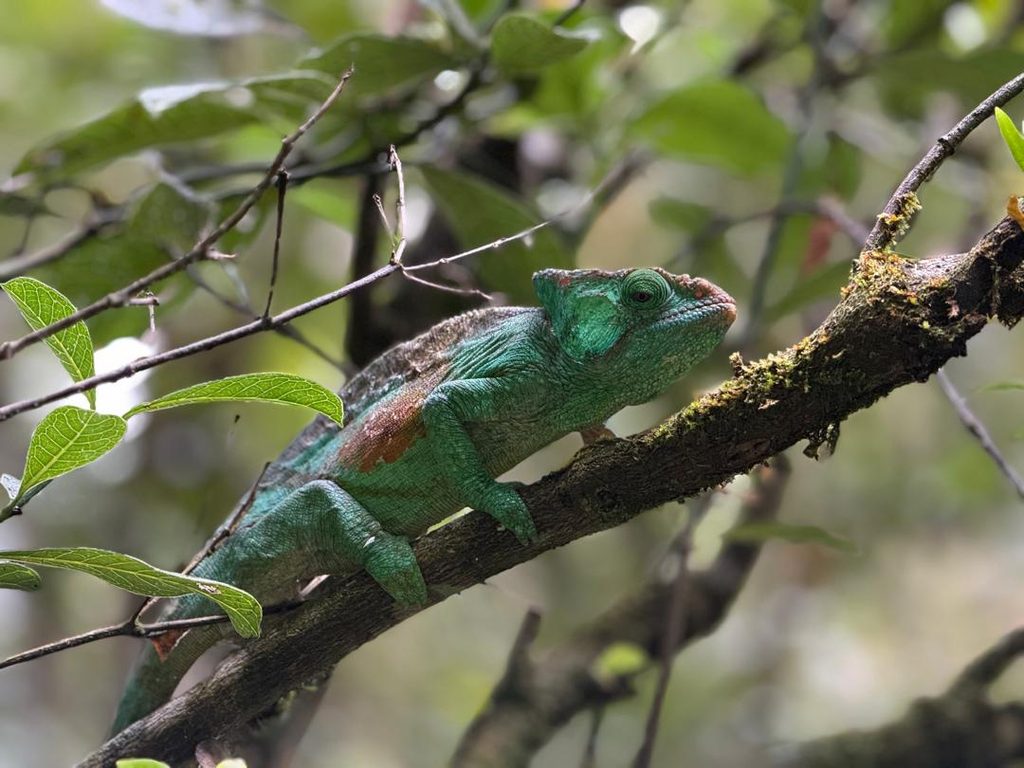
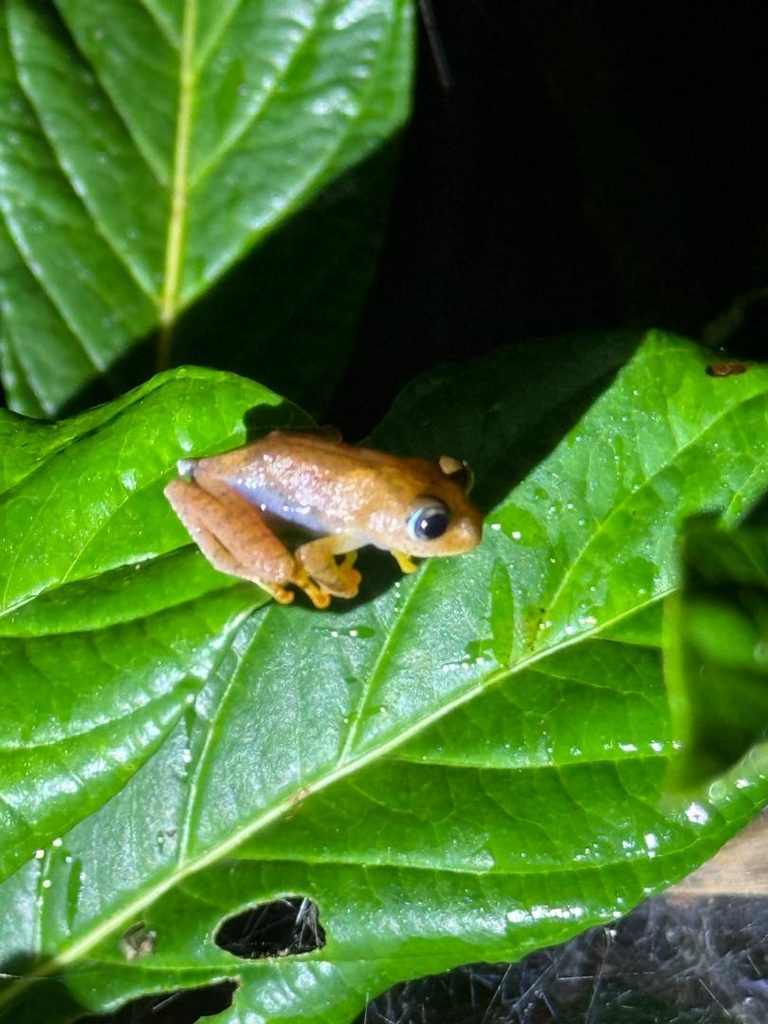
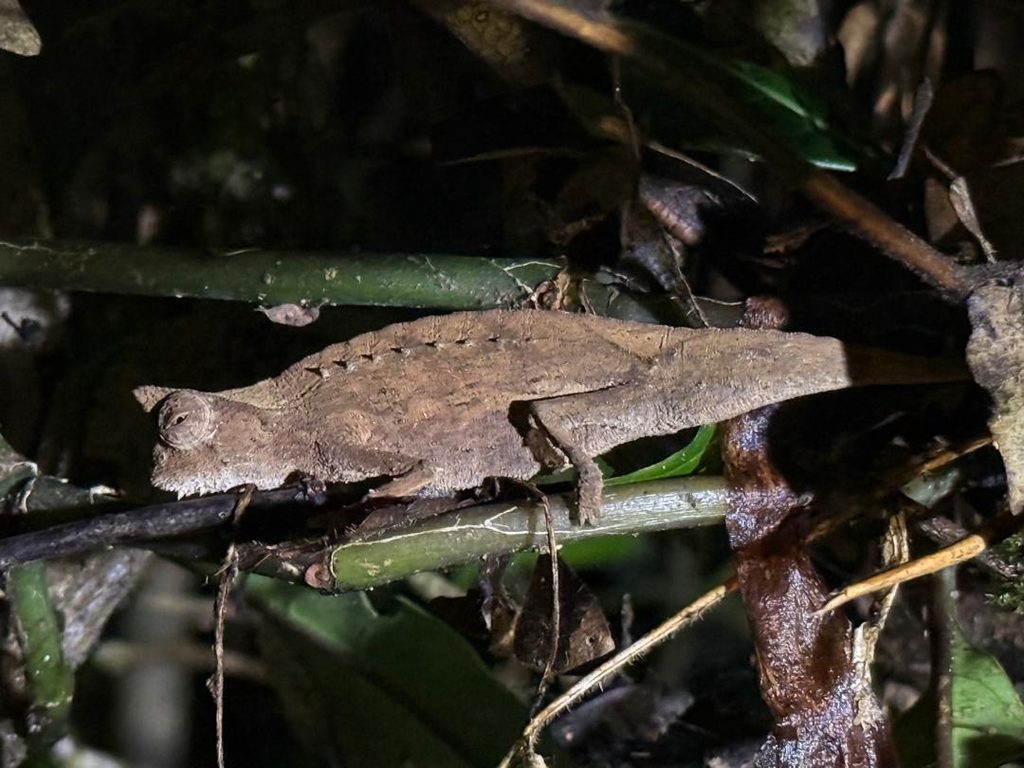
We did not have any specific targets and just enjoyed exploring this incredible forested landscape. Some of the interesting species found included Goodman’s Mouse Lemur, Crossley’s Dwarf Lemur, Diademed Sifaka, Indri, Common Brown Lemur, Madagascar Blue Pigeon, Blue Coua, Red-fronted Coua, Red-breasted Coua, Crossley’s Vanga, Red-tailed Vanga, Madagascar Scops-Owl, Stripe-throated Jery, Malagasy Brush Warbler, Madagascar Mannikin, Madagascar Wagtail, Common Sunbird-Asity, Madagascar Forest Rail, Brown Leaf Chameleon, Striped Day Gecko, Short-horned Chameleon, Parson’s Chameleon and several species of frogs, spiders and insects.
You could spend weeks exploring these forests without seeing half of the incredible species that call this place home.
We did spend a night at Palmarium Reserve, where they have introduced Aye-Ayes onto an island. They put out coconuts every evening, and it was fascinating to watch them enjoy this treat and get a glimpse into the lives of these amazing, secretive animals.

Probably not countable for life lists, but still fantastic to see them so close and in the wild.
With our lodge situated right on the lakeshore, it was a great place for our final evening before heading back to Tana the following morning, where our tour concluded. Another great visit to this amazing island. The logistics can be tough, but the wildlife more than makes up for any small hiccups.
Can’t wait for the next Madagascar tour!