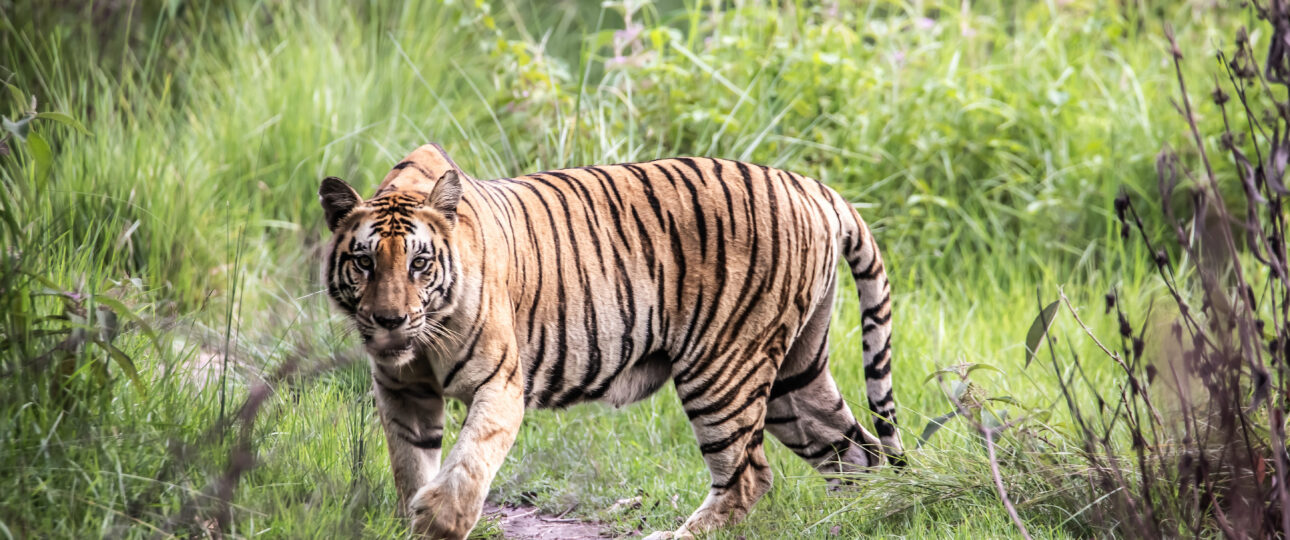
Red Panda and Royal Bengal Tiger Tour
Journey from the temperate forests of eastern Nepal to the wildlife-rich Terai on an exclusive 14-day expedition in search of two of the country’s most iconic mammals: the elusive Red Panda and magnificent Royal Bengal Tiger.
Explore the remote forests of Dobate in Ilam, experience community-based conservation and search for Red Panda in its natural Himalayan habitat before travelling south to the wetlands, farmland and forests of the Terai. From Lumbini and Kapilvastu to the wilderness of Bardia National Park, where tigers, rhinoceroses, elephants and other remarkable wildlife roam, this is a rare opportunity to experience Nepal’s extraordinary landscapes and wildlife in one unforgettable journey.

| Starts in Kathmandu | Ends in Kathmandu | Duration: 14 Days | Next departure: TBC |
Highlights:
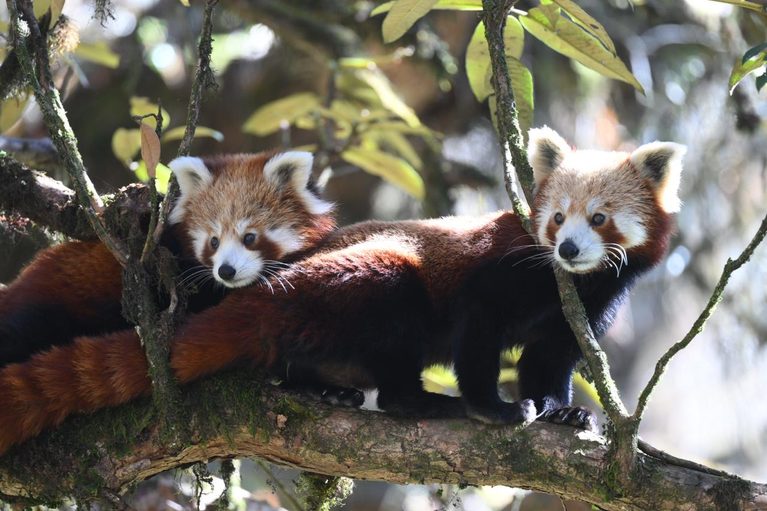
Dobate – Explore the temperate forests of Ilam in search of the elusive Red Panda, one of the Himalayas’ most captivating mammals.
Bonobo Tracking Experiences – Rare, close-range encounters with one of humanity’s closest relatives in deep forest social groups.
Lumbini & Kapilvastu – Remote primary rainforest offering one of Africa’s best chances to encounter this elusive endemic bird.
Lulonga & Lomako River Systems – Discover the sacred birthplace of Gautama Buddha while exploring the surrounding farmland and wetlands for wildlife.
Terai Wetlands & Farmland – Explore a rich mosaic of wetlands, fields and open countryside supporting Sarus Crane and other distinctive Terai wildlife.
Bardia National Park – Venture into Sal forests, grasslands and riverine habitats in one of Nepal’s most important landscapes for Royal Bengal Tiger.
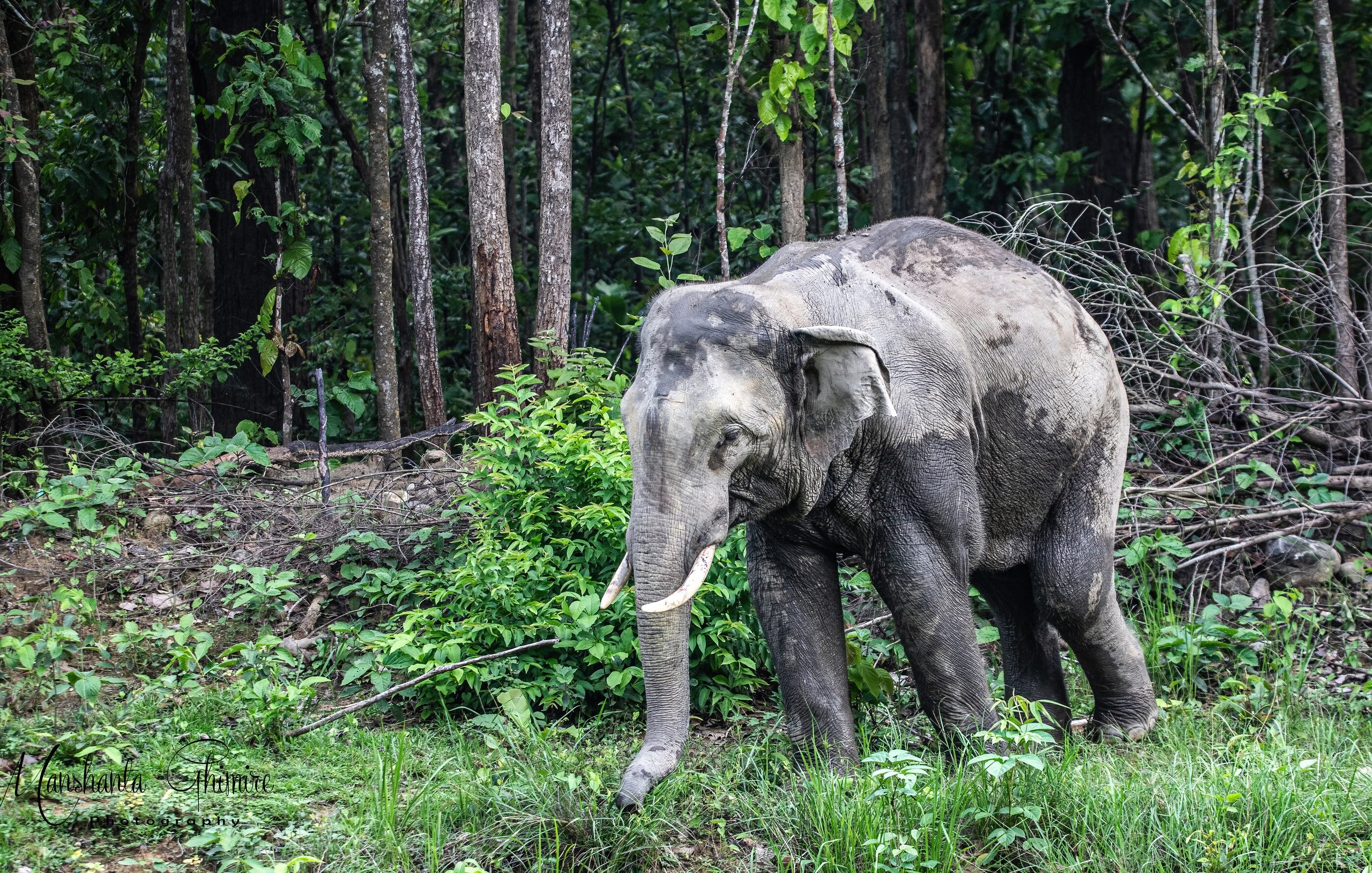
Top Mammals – Red Panda, Royal Bengal Tiger, Greater One-horned Rhinoceros, Asian Elephant, Himalayan Black Bear, Clouded Leopard, Dhole, Leopard, Chinese Pangolin, Ganges River Dolphin
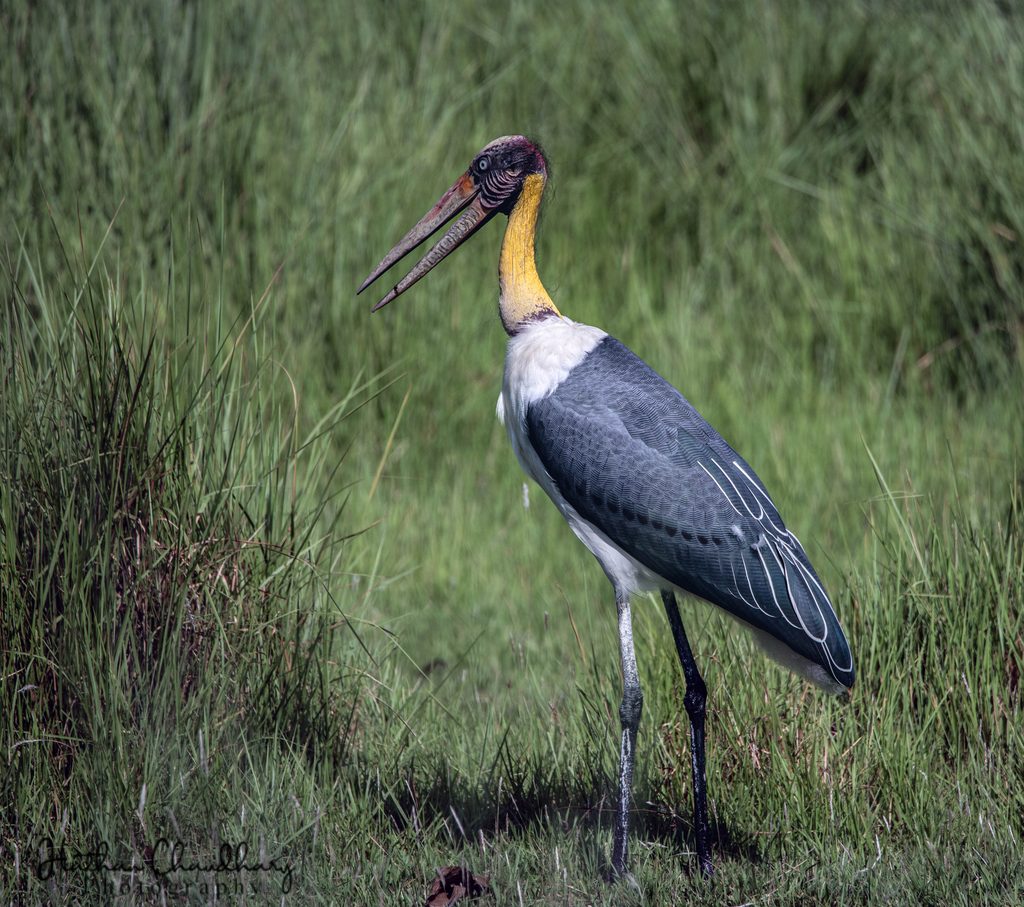
Top birds – Satyr Tragopan, Kalij Pheasant, Fire-tailed Myzornis, Rusty-fronted Barwing, Sarus Crane, Lesser Adjutant, Asian Openbill, Asian Woollyneck, Great Hornbill, Great Slaty Woodpecker


Day to day summary:
| Day 1 | Arrival in Kathmandu |
| Day 2 | Kathmandu to Bhadrapur to Dobate |
| Day 3-5 | Red Panda Trekking-Dobate |
| Day 6 | Dobate to Bhadrapur to Kathmandu |
| Day 7 | Kathmandu to Bhairahawa |
| Day 8 | Lumbini and Kapilvastu |
| Day 9 | Bhairahawa to Bardia National Park |
| Day 10-12 | Bardia National Park |
| Day 13 | Bardia National Park to Nepalgunj to Kathmandu |
| Day 14 | Departure |

Day to Day Itinerary
DAY 1: Arrival in Kathmandu
Arrive at Tribhuvan International Airport in Kathmandu, where you will be met and transferred to the hotel.
This wildlife and birding expedition showcases three of Nepal’s most remarkable ecosystems, taking you from the temperate forests of eastern Nepal to the fertile plains of the western Terai.
Along the way, the journey focuses on two of Nepal’s most sought-after mammals: the elusive Red Panda of the Himalayan forests and the magnificent Royal Bengal Tiger of the Terai.
With contrasting landscapes, distinctive wildlife and rich birdlife adding depth to the experience, this is an opportunity to explore some of Nepal’s most exceptional natural environments in a single, carefully crafted expedition. The first evening is set aside to settle in and prepare for the journey ahead.
DAY 2: Kathmandu to Bhadrapur to Dobate
After breakfast, transfer to the domestic airport for the flight to Bhadrapur Chandragadhi Airport in eastern Nepal. From here, the journey continues by road towards Dobate in Ilam District, entering the forested landscapes of eastern Nepal and the Himalayan foothills.
Dobate is a remote mountain settlement surrounded by temperate forest and is recognised as an important location for Red Panda conservation and community-based wildlife tourism. The surrounding forests provide habitat for the elusive Red Panda, making this a particularly exciting stage of the expedition and the beginning of the search for one of Nepal’s most sought-after mammals. The area is also known for its rich birdlife, with the possibility of adding a variety of Himalayan Forest species while exploring the Red Panda habitat.
Tonight, stay at a community-managed homestay in Dobate, offering a more intimate connection with the landscape and the communities living alongside these forests. Staying within the local community adds a meaningful dimension to the experience, as Red Panda tourism in the Dobate area is closely linked with community participation and conservation. This remote Himalayan setting, far from the more familiar tourist routes, provides a memorable introduction to the forests where the expedition’s Red Panda search will unfold.
DAY 3-5: Red Panda Trekking-Dobate
The next three days are dedicated to exploring the forests around Dobate in search of the elusive Red Panda. Situated at approximately 2,660 metres in eastern Nepal, this area is surrounded by lush temperate forest and is recognised as an important Red Panda area. The surrounding community forests contain bamboo-rich understorey, oak, rhododendron and other broad-leaved forest, providing the habitat this specialised Himalayan mammal depends on.
Early mornings and quieter periods will be spent walking the forest trails and carefully searching the trees, bamboo and dense undergrowth for movement or other signs of Red Panda. The species is difficult to find and sightings cannot be guaranteed, making any encounter in these remote forests particularly special. The wider Ilam landscape also supports mammals including Chinese Pangolin, Himalayan Black Bear, Clouded Leopard, Leopard Cat, Dhole, Barking Deer and Wild Boar, offering the possibility of additional wildlife encounters along the way.
The forests around Dobate also offer the possibility of encountering several distinctive Himalayan bird species. Among the special birds recorded from the area are Satyr Tragopan, Kalij Pheasant, Fire-tailed Myzornis and Rusty-fronted Barwing. These colourful and sought-after species add another rewarding dimension to time spent exploring the forest.
Three days in Dobate allow time to experience this remarkable forest at a slower pace, with the focus firmly on finding Red Panda in its natural habitat. Staying in the community and exploring the surrounding forest also provides an opportunity to experience how local communities and conservation initiatives are helping protect this rare mammal and its Himalayan habitat.
DAY 6: Dobate to Bhadrapur to Kathmandu
After breakfast, leave the forests of Dobate and begin the drive towards Bhadrapur Chandragadhi Airport. The journey retraces the route through the forested hills and rural landscapes of Ilam before reaching the airport for the return flight to Kathmandu. This marks the end of the eastern Himalayan section of the expedition, following several days immersed in the remarkable Red Panda habitat around Dobate.
On arrival in Kathmandu, transfer to your hotel for a comfortable overnight stay. The evening offers time to relax after the journey from eastern Nepal and reflect on the exceptional experience of exploring Dobate’s community forests in search of Red Panda, before the expedition continues towards Nepal’s fertile Terai and its iconic Royal Bengal Tigers.
On arrival in Kathmandu, transfer to your hotel for a comfortable overnight stay. The evening offers time to relax after the journey from eastern Nepal and reflect on the exceptional experience of exploring Dobate’s community forests in search of Red Panda, before the expedition continues towards Nepal’s fertile Terai and its iconic Royal Bengal Tigers.
DAY 7: Kathmandu to Bhairahawa
Transfer to the domestic terminal at Kathmandu Airport for the flight to Gautam Buddha International Airport in Bhairahawa, the gateway to Nepal’s fertile Terai plains. On arrival, continue by road to the hotel. The landscape changes dramatically as the Himalayan forests give way to the warmer subtropical lowlands, home to some of Nepal’s most iconic wildlife, including the Royal Bengal Tiger and Greater One-horned Rhinoceros.
This marks the beginning of the expedition’s second great wildlife chapter. After exploring the temperate forests of eastern Nepal in search of Red Panda, the journey now turns towards the Terai, where forests, grasslands and river systems support an exceptional variety of mammals and birds.
Settle into the hotel and prepare for the days ahead in search of Nepal’s legendary big cats and other wildlife of the lowlands.
DAY 8: Lumbini and Kapilvastu
Spend the day exploring the farmland and wetlands around Lumbini and Kapilvastu District, including the sacred landscape associated with the birthplace of Gautama Buddha. The mosaic of agricultural fields, wetlands and open countryside provides excellent opportunities to experience the wildlife of Nepal’s Terai. Possible mammals include Chital, Wild Boar, Golden Jackal, Rhesus Macaque and Hanuman Langur.
The wetlands and surrounding farmland are particularly rewarding for birds, with possibilities including Sarus Crane, Asian Openbill, Lesser Adjutant, Asian Woollyneck, Black-headed Ibis, Indian Peafowl, Indian Grey Hornbill and White-browed Fantail. The Greater Lumbini landscape is especially important for large waterbirds.
This fascinating day combines Nepal’s cultural heritage with its rich Terai wildlife, offering a very different experience from the Himalayan forests explored earlier in the expedition.
DAY 9: Bhairahawa to Bardia National Park
An early start takes you westwards from Lumbini towards Bardia National Park, travelling deeper into Terai and towards one of Nepal’s most important tiger landscapes. Bardia is characterised by extensive Sal forests, riverine woodland, savannah and tall grasslands, creating a rich habitat for the Royal Bengal Tiger and a remarkable variety of other wildlife.
On arrival, settle into your wildlife lodge or resort and prepare for the days ahead in Bardia’s wilderness.
This transition from the open landscapes around Lumbini into the forests of Bardia marks another exciting stage of the expedition, bringing you closer to the goal: searching for the elusive Royal Bengal Tiger in one of Nepal’s most celebrated wildlife destinations.
DAY 10-12: Bardia National Park
The next three days are dedicated to exploring Bardia National Park, one of Nepal’s most important lowland wildlife areas and a stronghold for the Royal Bengal Tiger. Full-day wildlife activities take place across the park’s Sal forests, riverine woodland, grasslands and tall elephant grass, with time to search for tigers as well as Greater One-horned Rhinoceros, Asian Elephant, Swamp Deer, Blackbuck, Spotted Deer, Wild Boar, Leopard and Golden Jackal. The Karnali River also offers the possibility of Ganges River Dolphin and Gharial.
Bardia is particularly rewarding for birdlife, with more than 400 species recorded. Possible species include Bengal Florican, Lesser Florican, Silver-eared Mesia, Great Hornbill, Lesser Adjutant, Great Slaty Woodpecker, Red Junglefowl, Green-billed Malkoha and Spotted Owlet. These varied habitats provide wonderful opportunities to encounter wildlife throughout the day, while the possibility of finding a Royal Bengal Tiger in its natural habitat makes this a truly memorable part of the expedition..
DAY 13: Bardia National Park to Nepalgunj to Kathmandu
After breakfast, leave Bardia National Park and drive to Nepalgunj Airport, approximately 95 km away. From Nepalgunj, fly back to Kathmandu, completing the journey from the forests and grasslands of the western Terai to Nepal’s capital. Bardia’s wildlife landscapes provide a fitting final chapter to the expedition.
On arrival in Kathmandu, transfer to your hotel for a comfortable overnight stay. After travelling from the temperate forests of eastern Nepal to the fertile lowlands of the Terai, this final evening provides time to relax and reflect on an extraordinary journey in search of two of Nepal’s most iconic mammals: the elusive Red Panda and the magnificent Royal Bengal Tiger.
DAY 14:Departure
After an extraordinary journey from the temperate forests of eastern Nepal to the wildlife-rich Terai, the final morning brings the expedition to a close. Transfer to Tribhuvan International Airport in Kathmandu for your international departure and flight home.
As you leave Nepal, the memories of searching for the elusive Red Panda in the forests of Dobate and tracking Royal Bengal Tiger through the wild landscapes of Bardia remain the lasting highlights of a truly exceptional wildlife expedition.

You might also like: